


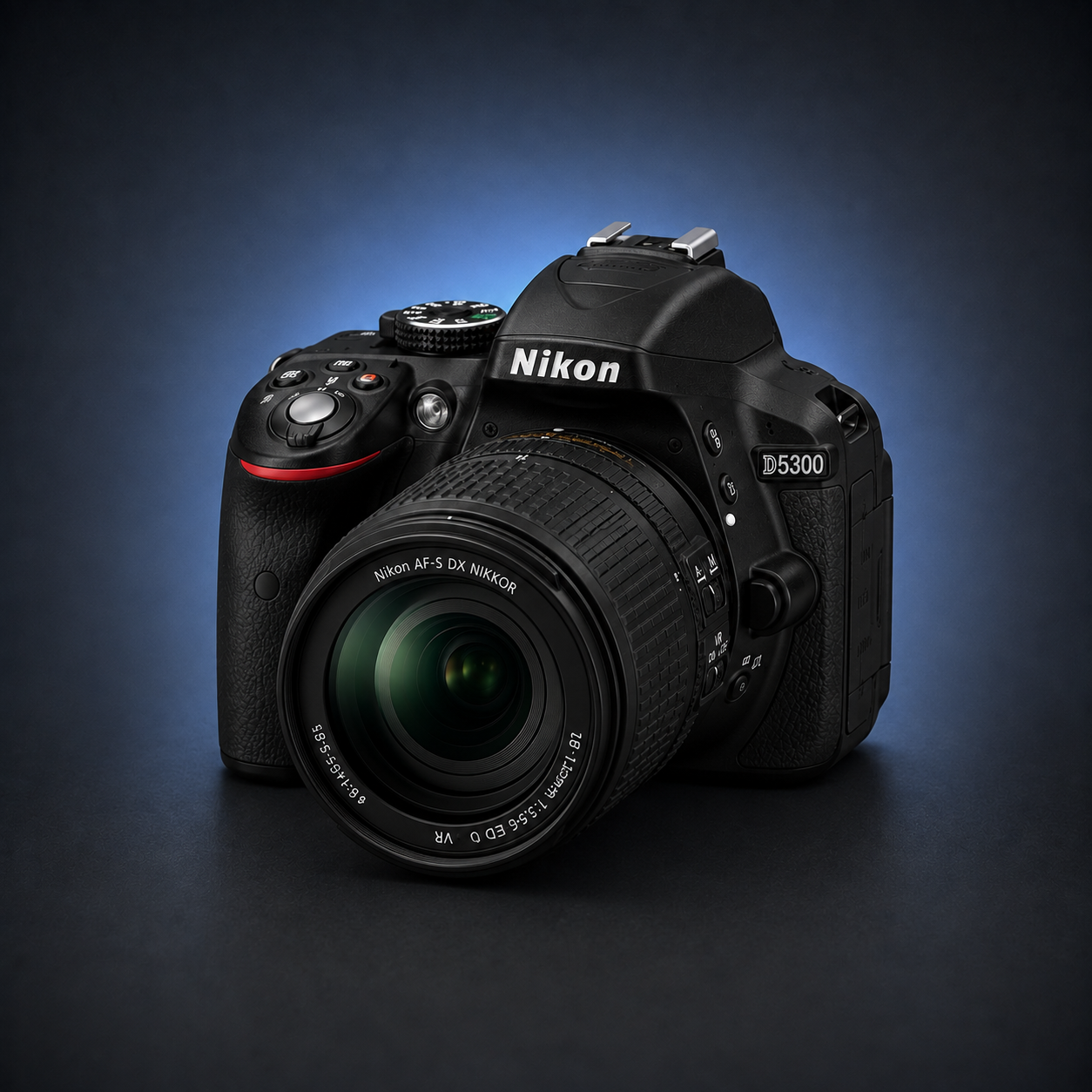
Nikon D5300
Lightweight DX-format DSLR with 24.2 megapixels, a fully articulating display, built-in GPS and Wi-Fi. It was my main travel camera for many years and today mainly serves as my second camera.
The Nikon D5300 is a DX-format digital SLR camera introduced in 2013. With its 24.2-megapixel sensor, fully articulating display, built-in GPS and Wi-Fi, it offered an attractive combination of image quality, portability and features for its time.
I have been using my D5300 since 2014. For many years, it was my main travel camera and accompanied me for landscape, wildlife and macro photography. Today, my Nikon Z50 II has taken over that role, but the D5300 remains useful to me as a practical second camera.
Suitable for
My experience
I have been using the Nikon D5300 since 2014. For many years, it was my main travel camera and I used it particularly for landscape and wildlife photography. My most frequently used lenses were the AF-S NIKKOR 18–55 mm, AF-S NIKKOR 55–200 mm and AF-S Micro NIKKOR 60 mm f/2.8 ED.
When I bought it, the D5300 was a modern, compact and lightweight camera offering good value for money. I particularly appreciated the built-in GPS, which allowed the location of a photograph to be recorded directly with the image.
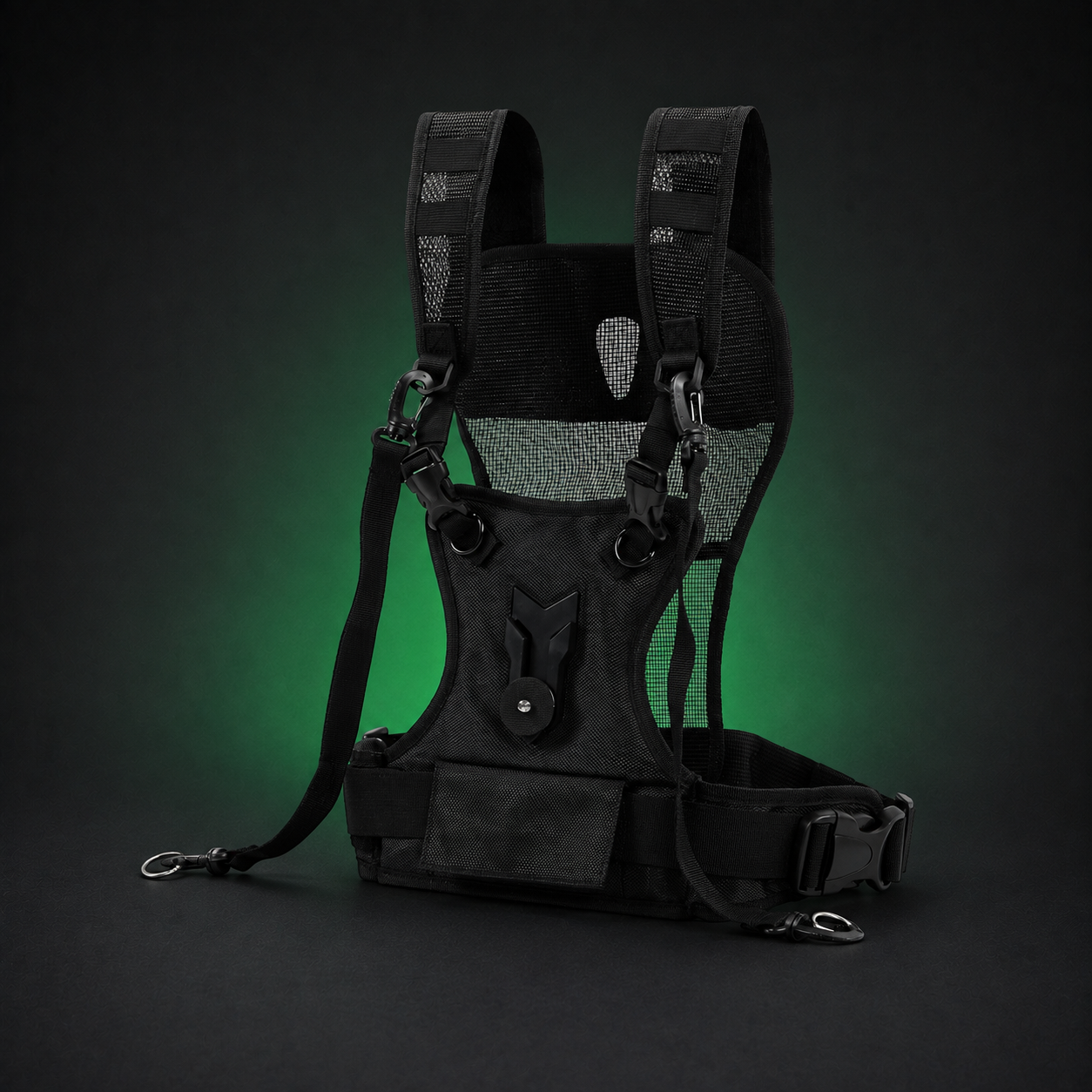
Today, I only use the camera occasionally. Its main role has become that of a second camera. When I know that I will need different focal lengths, I can carry the D5300 with a second lens attached instead of constantly changing lenses on my Nikon Z50 II.
Compared with current cameras, however, its age has become noticeable. The software and operating features feel dated, and for my current video requirements the limitation to Full HD rather than 4K is also clearly noticeable.
Strengths
- • Relatively lightweight and compact for a DSLR
- • Good image quality from the 24.2-megapixel DX sensor
- • Built-in GPS
- • Built-in Wi-Fi
- • Fully articulating display
- • Wide selection of Nikon F-mount lenses
- • Good all-round camera for travel and landscapes
- • Has proven reliable for me over many years
Weaknesses
- • No 4K video, limited to Full HD
- • Autofocus and subject detection no longer match current standards
- • Continuous shooting speed is modest compared with modern cameras
- • Outdated smartphone and software connectivity
- • No in-body autofocus motor for older AF lenses
- • DSLR system is larger than modern mirrorless alternatives
- • No longer my preferred main camera for current requirements
Technical details
My rating
Matching accessories
Frequently asked questions
Do I still use the Nikon D5300 today?
Yes, although only occasionally. Today, I mainly use it as a second camera when I want to work with different lenses without having to change lenses frequently.
Is the Nikon D5300 still suitable for photography today?
Yes. The 24.2-megapixel DX sensor can still produce good photographs, particularly in good lighting conditions. However, current cameras are considerably more advanced in autofocus, speed and modern convenience features.
Is the D5300 still suitable for video?
It is still suitable for basic Full HD recording. For my current requirements, however, its video capabilities are clearly limited because it does not support 4K and lacks modern video features.
Which lenses do I use with the D5300?
I mainly use the AF-S NIKKOR 18–55 mm, AF-S NIKKOR 55–200 mm and AF-S Micro NIKKOR 60 mm f/2.8 ED. Together, they cover my travel, landscape, wildlife and macro photography.
Why do I keep the D5300 despite owning a Nikon Z50 II?
Mainly as a second camera. For example, I can keep a telephoto lens on one camera and another lens on the second, reducing the need to change lenses while travelling.
What do I particularly like about the D5300?
It is relatively lightweight and compact for a DSLR and has accompanied me reliably for many years. I still particularly appreciate the built-in GPS.